Buying a car
What to check when viewing a used car
You do not need to know engines. You need to know where to look and what a straight answer sounds like.
9 min read

South Wales
6 min readLast reviewed
Buying a car is much the same wherever you are. Owning one in South Wales is not — salt, hills and a speed limit that catches out half the people who drive over the bridge.
Since September 2023, restricted roads in Wales — the lit, built-up streets where you would previously have assumed 30 — have a default limit of 20mph. Some have been returned to 30mph since, following review, and those are signed.
The trap is not the number. It is that a default is not signed at all. There are no repeater signs telling you it is 20, because there is nothing to repeat.
England & Scotland
30mph
Restricted road, no signs — the default is 30.
Wales
20mph
Same street, same absence of signs — the default is 20.
Wales made 20mph the default on restricted roads in September 2023. Some roads have since been returned to 30mph following review, and those are signed — but an unsigned lit street is 20.
If you are buying from over the bridge and driving home through Newport or Cardiff, this is worth knowing before the letter arrives.
Two things work on cars here. Coastal air along the South Wales seaboard carries salt all year, and the roads are gritted hard through winter — which is exactly what you want underfoot and exactly what you do not want under a car.
The result is that underbody condition matters more here than almost anywhere else you could buy. Surface rust on an exhaust or a heat shield is a consumable and always looks worse than it is. Corrosion on sills, subframes, brake lines or suspension mounts is structural, gets worse, and is the one thing on a used car that is rarely worth fixing.
A car that has spent its life climbing and descending between the valleys has worked harder than one with the same reading from the M4. Sustained gradients are hard on clutches, brakes and cooling systems in a way that flat motorway cruising simply is not.
Sixty thousand valley miles and sixty thousand motorway miles are not the same car.
This cuts both ways, and it is not a reason to avoid a local car. It is a reason to ask where it lived and to weight your inspection accordingly — clutch bite point, brake feel and any sign of the cooling system having been topped up more than it should.
The Severn tolls came off in December 2018. That sounds like history until you are buying: it means Bristol and the South West are now a realistic place to look, and equally that buyers from there compete for cars here. The market you are shopping in is bigger than the one on your doorstep.
It is worth the extra half hour to see a better car. It is rarely worth it to save a hundred pounds on a worse one, once you count the fuel, the time and the fact that you are much less likely to go back if something is wrong.
Wherever you buy, buying from a trader rather than privately changes what you are entitled to if something goes wrong — and buying nearby changes how easy it is to have that conversation at all.
We are based in Pontypridd and every car we sell goes on a ramp before it goes on the forecourt. Come and look underneath one — book a viewing or ring us on 07537 124115.
Every car here is prepared, warranted and available to view in Pontypridd — reserve online or come and see it.
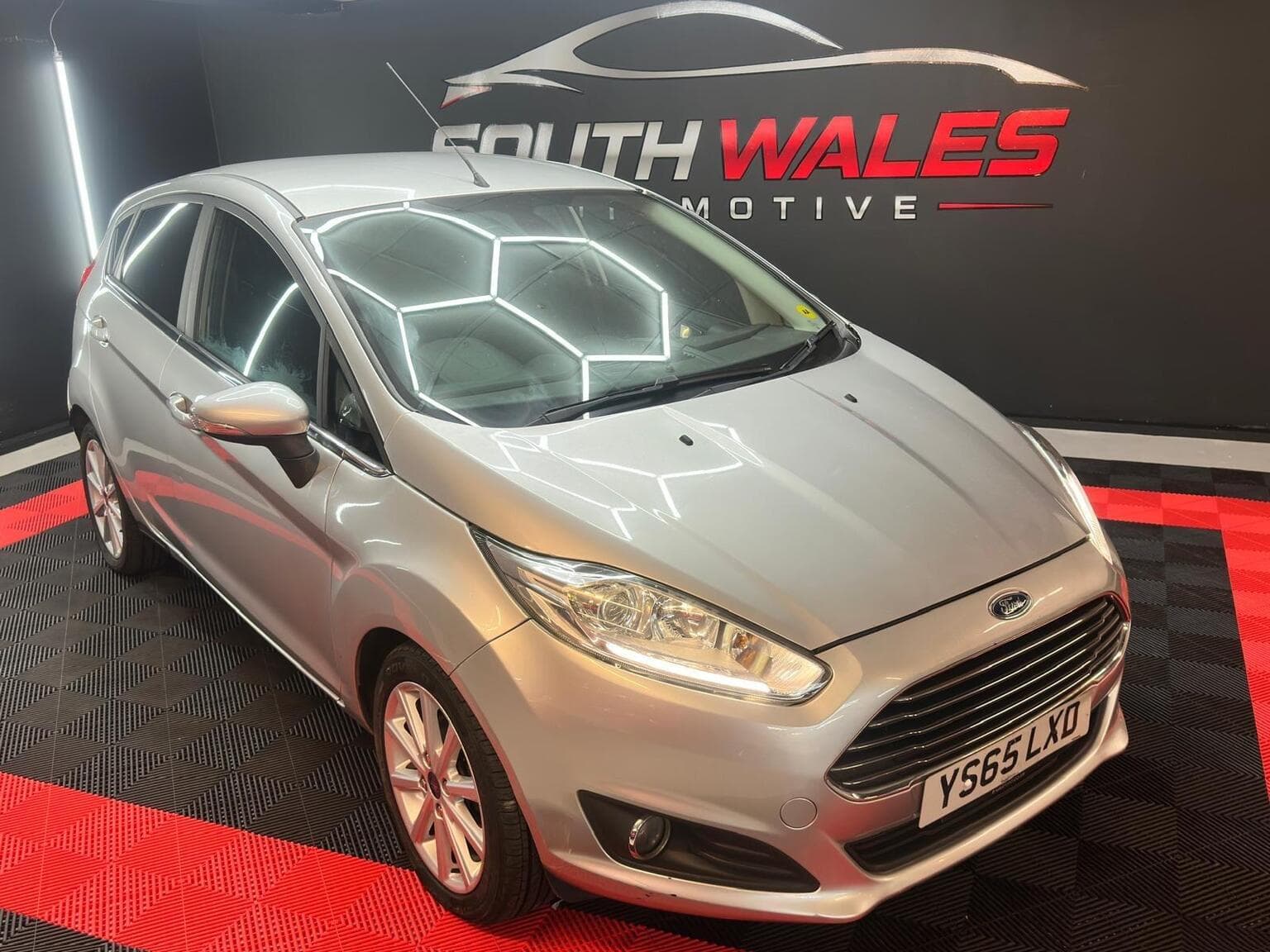
1.0T EcoBoost Titanium Euro 6 (s/s) 5dr
£2,995
or £76.58/mo
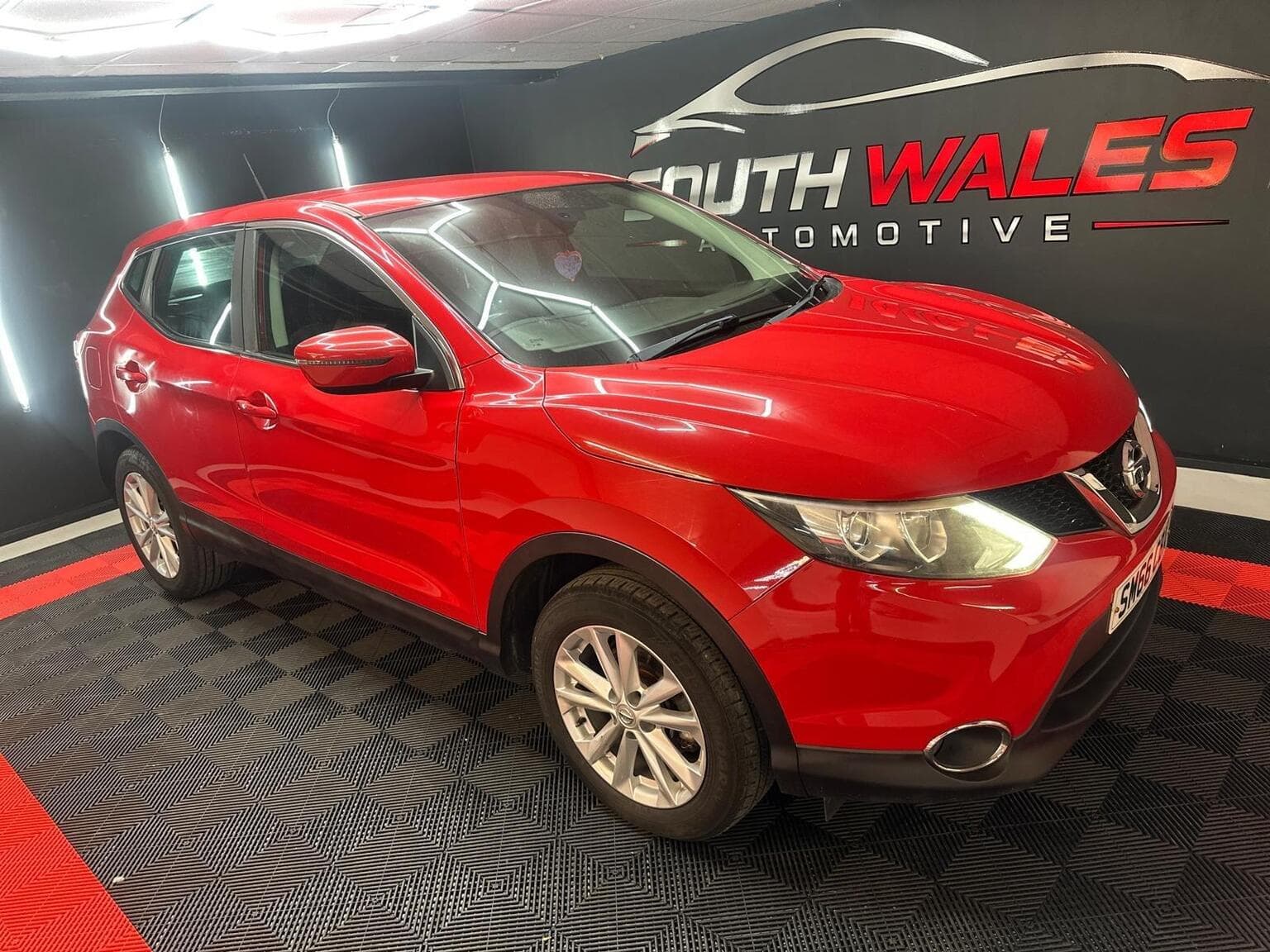
1.5 dCi Acenta 2WD Euro 6 (s/s) 5dr
£3,995
or £102.16/mo
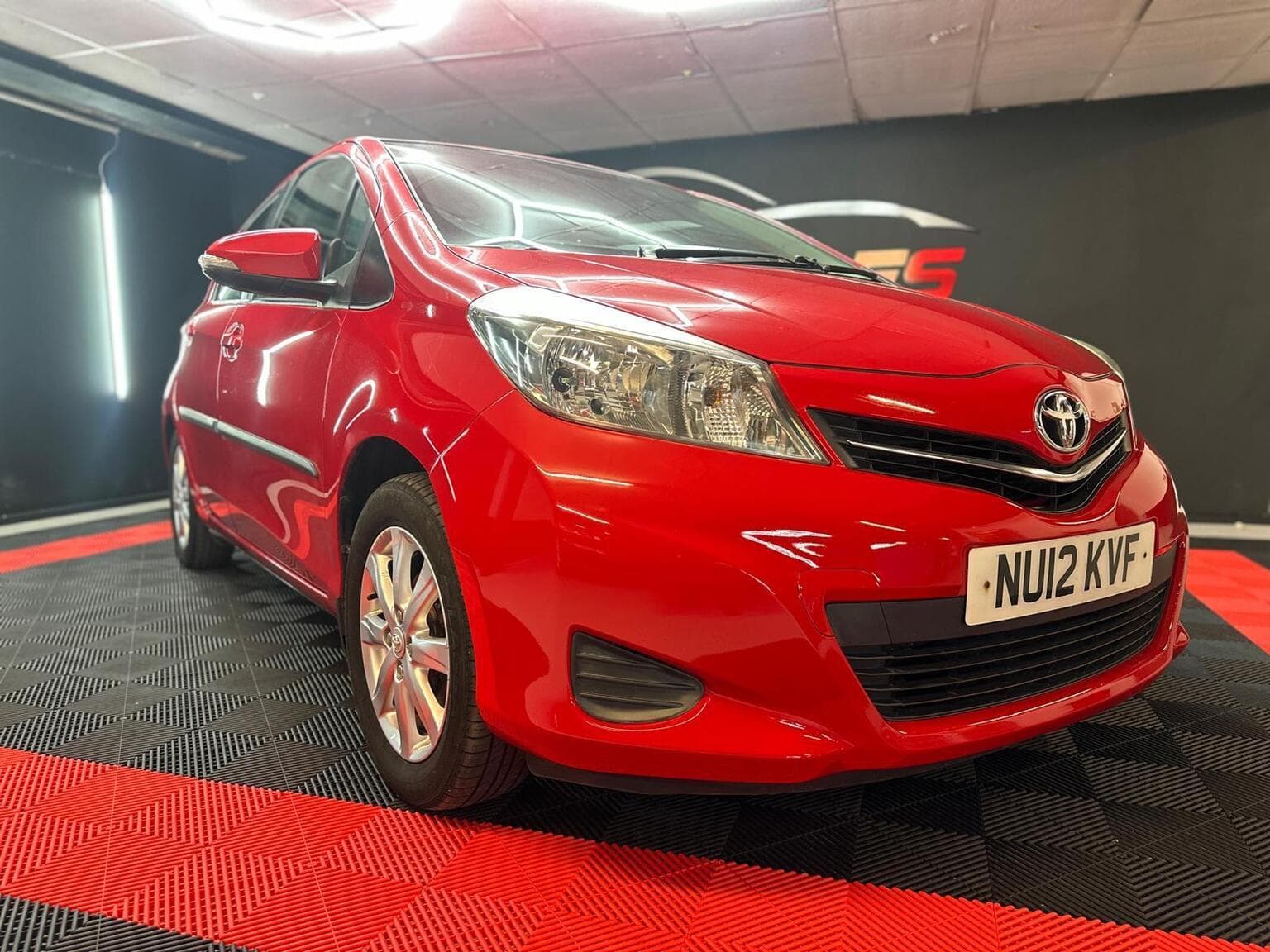
1.4 D-4D TR Euro 5 5dr
£3,299
or —/mo
Buying a car
You do not need to know engines. You need to know where to look and what a straight answer sounds like.
9 min read
Buying a car
An advisory is not a fault. Here is what each MOT category really means, and which ones should change your mind about a car.
7 min read
Running costs
The windscreen price is the part everyone compares, and rarely the part that decides what a car costs you.
8 min read