
Buying a car
MOT advisories decoded
An advisory is not a fault. Here is what each MOT category really means, and which ones should change your mind about a car.
7 min read
Buying a car
9 min readLast reviewed
You do not need to know engines. You need to know where to look, what a straight answer sounds like, and which single thing is worth walking away over.
Two minutes at a keyboard will save you an hour standing in the rain. Look up the registration’s MOT history and check what has been advised over the years — our guide on reading MOT advisories covers what the categories actually mean.
Then ask two questions before you travel: how long have you had it, and why are you selling. You are not looking for a particular answer. You are listening for whether one arrives easily.
Work round the car in the same order every time and you will stop missing things. Select a number to see what is worth checking at each stop.
1. Tyres and wheels
Tyres are the cheapest honest signal on a car. The legal minimum is 1.6mm of tread across the central three-quarters of the tyre and around its entire circumference. Below that it is not a negotiating point — it is an offence, and the penalty is up to £2,500 and three penalty points for each illegal tyre.
But the depth matters less than the pattern. Even wear across all four suggests a car that has been aligned, rotated and driven sensibly. Wear on the inner edge alone usually means alignment or tired suspension bushes. Two premium tyres on the front and two unbranded on the back tells you which corners were cut when money was tight.
Nobody replaces four matching tyres on a car they are about to sell. If they have, it is worth asking what else they looked after.
This is the single most useful thing you can insist on, and the easiest to lose by accident. If the seller has warmed the car up before you arrive, you have lost your best look at it. Say when you book that you would like to see it started from cold.
Ten minutes, radio off, windows up for part of it and down for the rest. You are listening as much as driving. Try to include a stretch above forty and at least one full-lock manoeuvre.
Check the V5C against the car rather than the car against the V5C. Find the VIN on the vehicle — usually visible at the base of the windscreen or on a door pillar — and confirm it matches the document. Registered keeper details should match the person selling it, and the number of former keepers should match what you were told.
Service history is worth more with invoices than with stamps. Stamps prove a book was filled in; invoices prove work was paid for.
Most faults are a negotiation. A known problem with a known cost is simply information the next buyer will not have. These are the exceptions:
Buying from a dealer rather than privately changes the picture too: you get statutory rights that a private sale does not carry, and any car we sell has been through this same list before it reaches the forecourt.
If you would rather walk round one with someone who does this daily, book a viewing and we will go through it with you — or call us on 07537 124115 and ask anything you like first.
Every car here is prepared, warranted and available to view in Pontypridd — reserve online or come and see it.
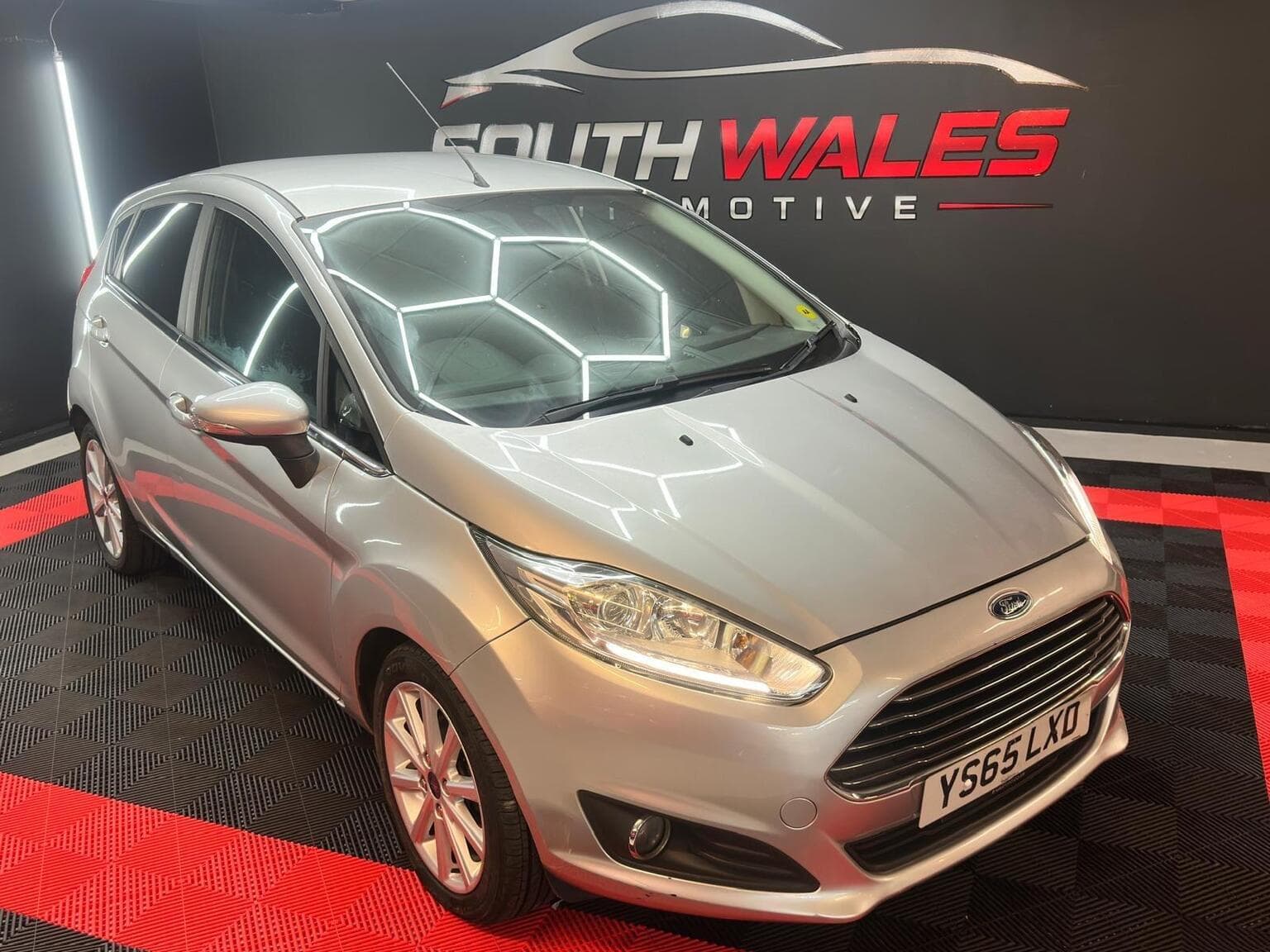
1.0T EcoBoost Titanium Euro 6 (s/s) 5dr
£2,995
or £76.58/mo
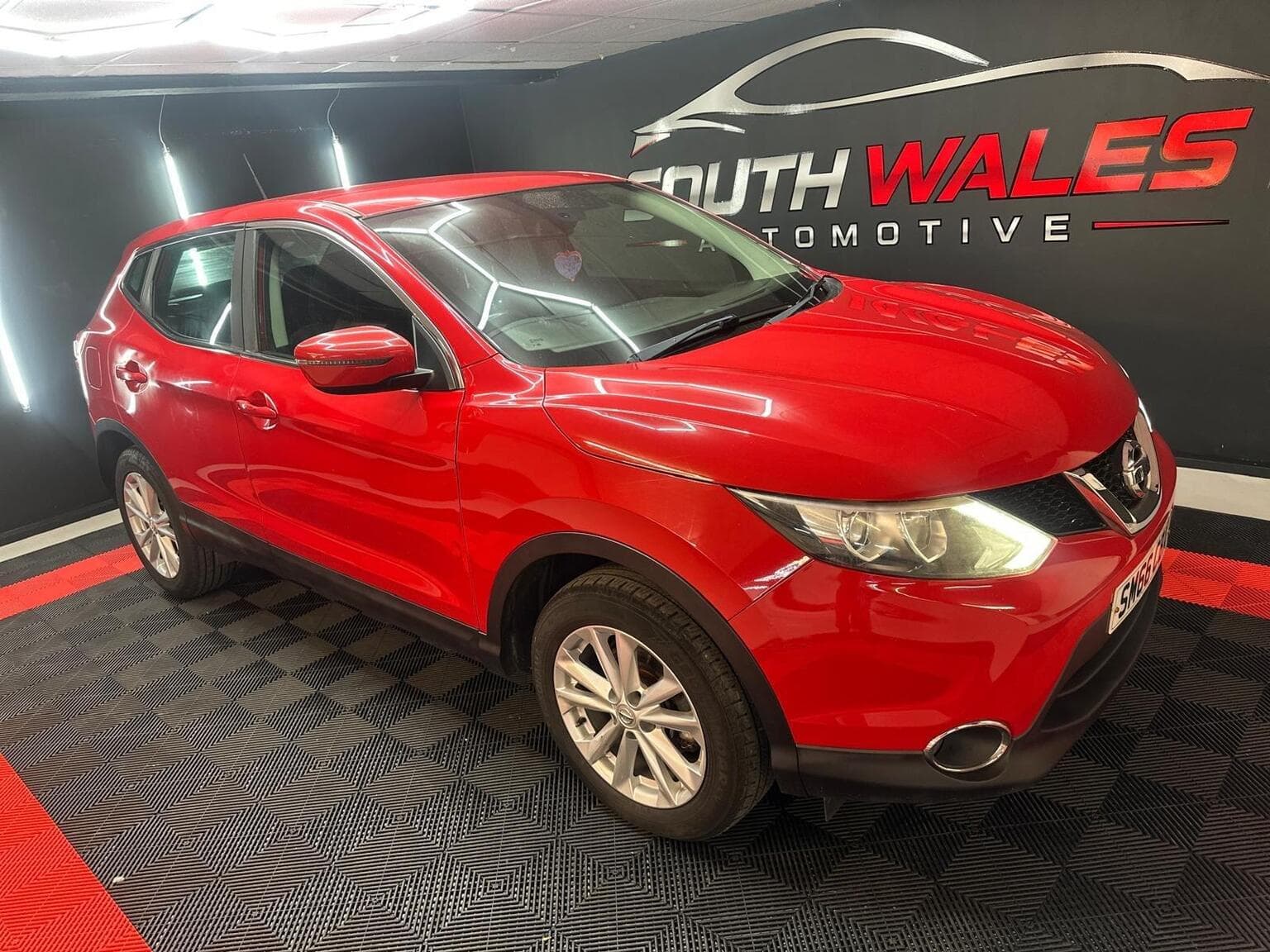
1.5 dCi Acenta 2WD Euro 6 (s/s) 5dr
£3,995
or £102.16/mo
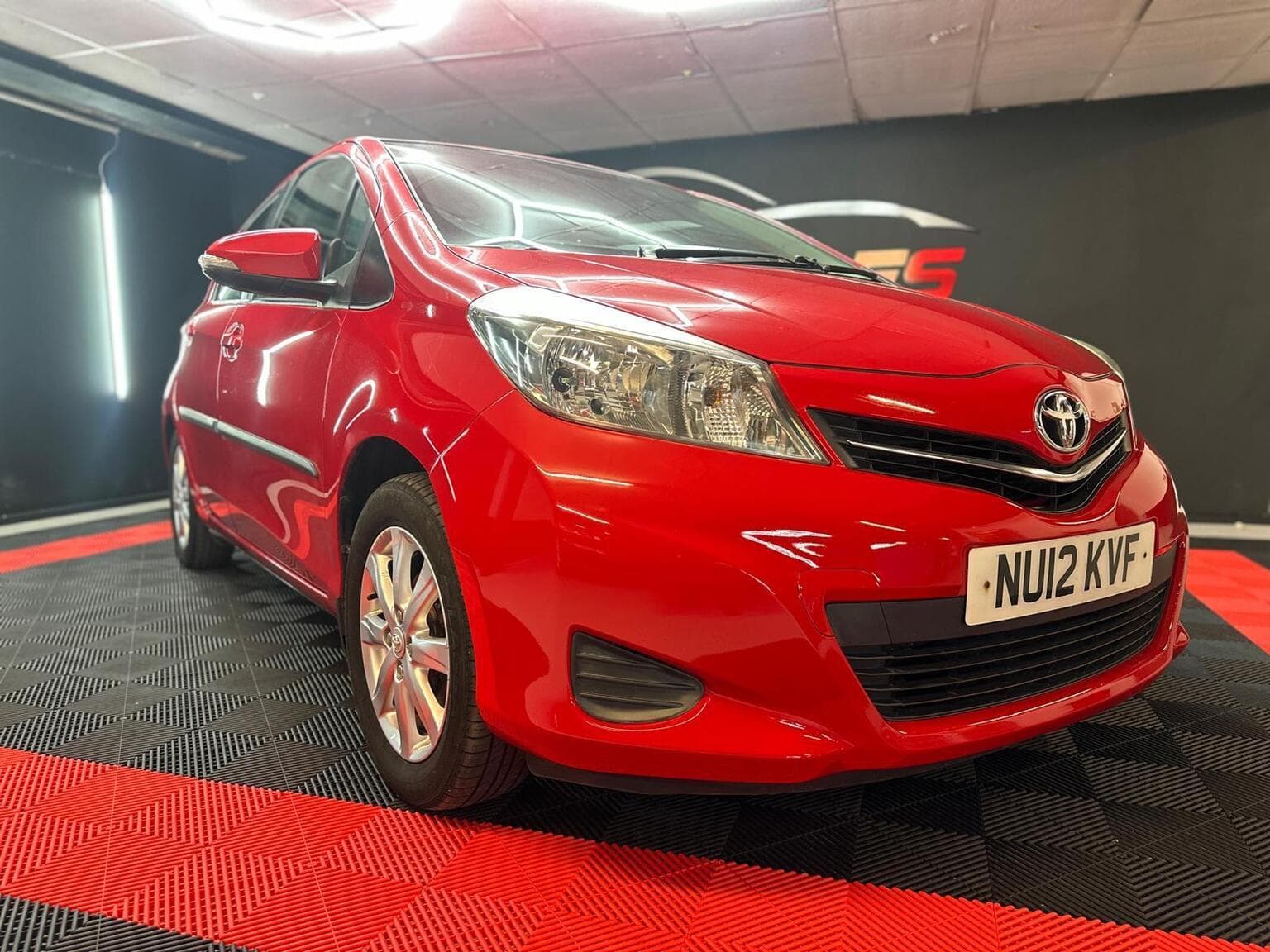
1.4 D-4D TR Euro 5 5dr
£3,299
or —/mo
Buying a car
An advisory is not a fault. Here is what each MOT category really means, and which ones should change your mind about a car.
7 min read
Running costs
The windscreen price is the part everyone compares, and rarely the part that decides what a car costs you.
8 min read
South Wales
Buying is much the same anywhere. Owning a car in South Wales is not — salt, hills, and a speed limit nobody signs.
6 min read