
Buying a car
MOT advisories decoded
An advisory is not a fault. Here is what each MOT category really means, and which ones should change your mind about a car.
7 min read

Running costs
8 min readLast reviewed
The price on the windscreen is the part everyone compares. It is rarely the part that decides what a car costs you.
Three comparable family cars, driven the same 8,000 miles, with servicing, tyres and insurance held identical so the comparison is about the things that genuinely differ.
£2,884
£2,753
£2,097
Petrol
42 mpg
Diesel
52 mpg
Electric
3.5 mi/kWh, charged at home
Fuel, electricity and road tax use published rates. Servicing (£450), tyres (£200) and insurance (£650) are illustrative and held equal across all three, so the comparison isolates what actually differs. Depreciation is excluded — it usually dwarfs everything here.
The gap is smaller than the internet usually suggests. Electricity is dramatically cheaper per mile, but road tax now applies to electric cars too, and the fixed costs — insurance, servicing, tyres — do not care what is under the bonnet.
For any car first registered on or after 1 April 2017, road tax is a flat standard rate of £200 a year. Not banded by emissions, not cheaper because it is a small engine. A city runabout and a large estate pay exactly the same.
Cars registered before April 2017 still sit in the older emissions-based bands, which is why an older diesel can occasionally be cheaper to tax than a newer petrol.
Diesel engines still travel further on a gallon. The problem is what a gallon costs. At 1.60 a litre for petrol against 1.79 for diesel, a diesel needs a meaningful economy advantage simply to break even.
Diesel makes sense on mileage, not on principle. Below about twelve thousand miles a year, the sums rarely favour it.
There is a second consideration that does not show up in pence per mile. Diesel particulate filters need sustained hot running to clear themselves. A diesel used for short, cold trips will eventually present you with a bill that no fuel saving covers.
At the capped rate of 26.11p per kilowatt hour, a typical electric car costs roughly a third of an equivalent petrol one to move. That is the entire economic case, and it is a strong one.
It rests on charging at home. Public rapid charging can cost three or four times the domestic rate, and at that point the running-cost advantage over petrol largely evaporates. Before buying electric, the question is not which car — it is whether you have a driveway.
Depreciation is almost always the largest number in car ownership, and it is invisible because you never write a cheque for it. A car losing £2,000 of value in a year has cost you more than its fuel, tax, servicing and tyres put together.
This is the strongest argument for buying used rather than new. The steepest part of the curve happens in the first three years, to somebody else. A well-chosen three-year-old car gives you most of the modern equipment and very little of the drop.
Fuel and electricity prices move constantly, so it matters where a figure came from and when. Everything quoted here is published, and the same values drive the cost panel on every car on this site — so the article and the listing can never contradict each other.
Last reviewed 5 Aug 2026. Every car in our showroom shows its own estimated running costs, worked from these same figures and its actual economy.
Every car here is prepared, warranted and available to view in Pontypridd — reserve online or come and see it.

1.0T EcoBoost Titanium Euro 6 (s/s) 5dr
£2,995
or £76.58/mo
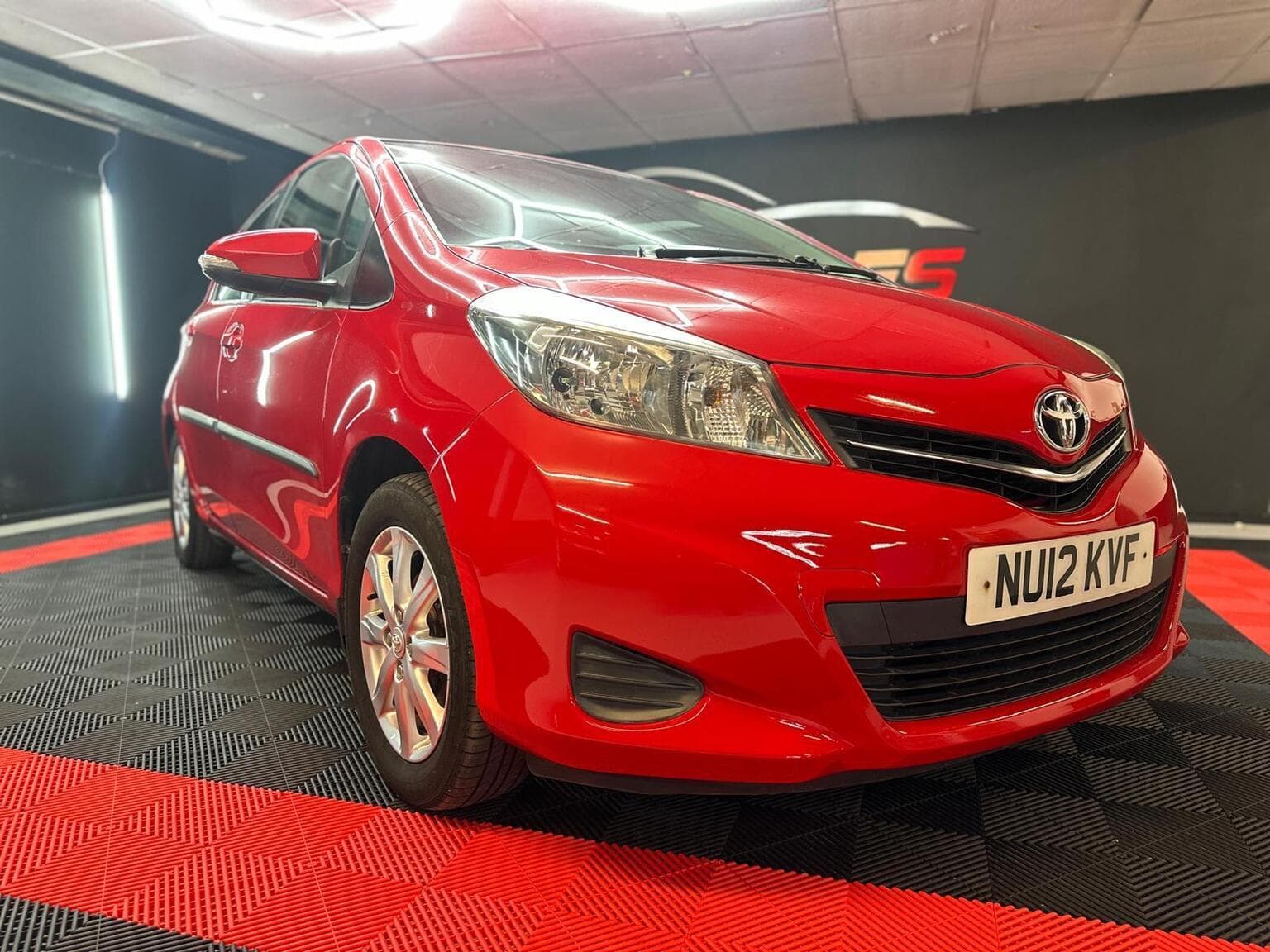
1.4 D-4D TR Euro 5 5dr
£3,299
or —/mo
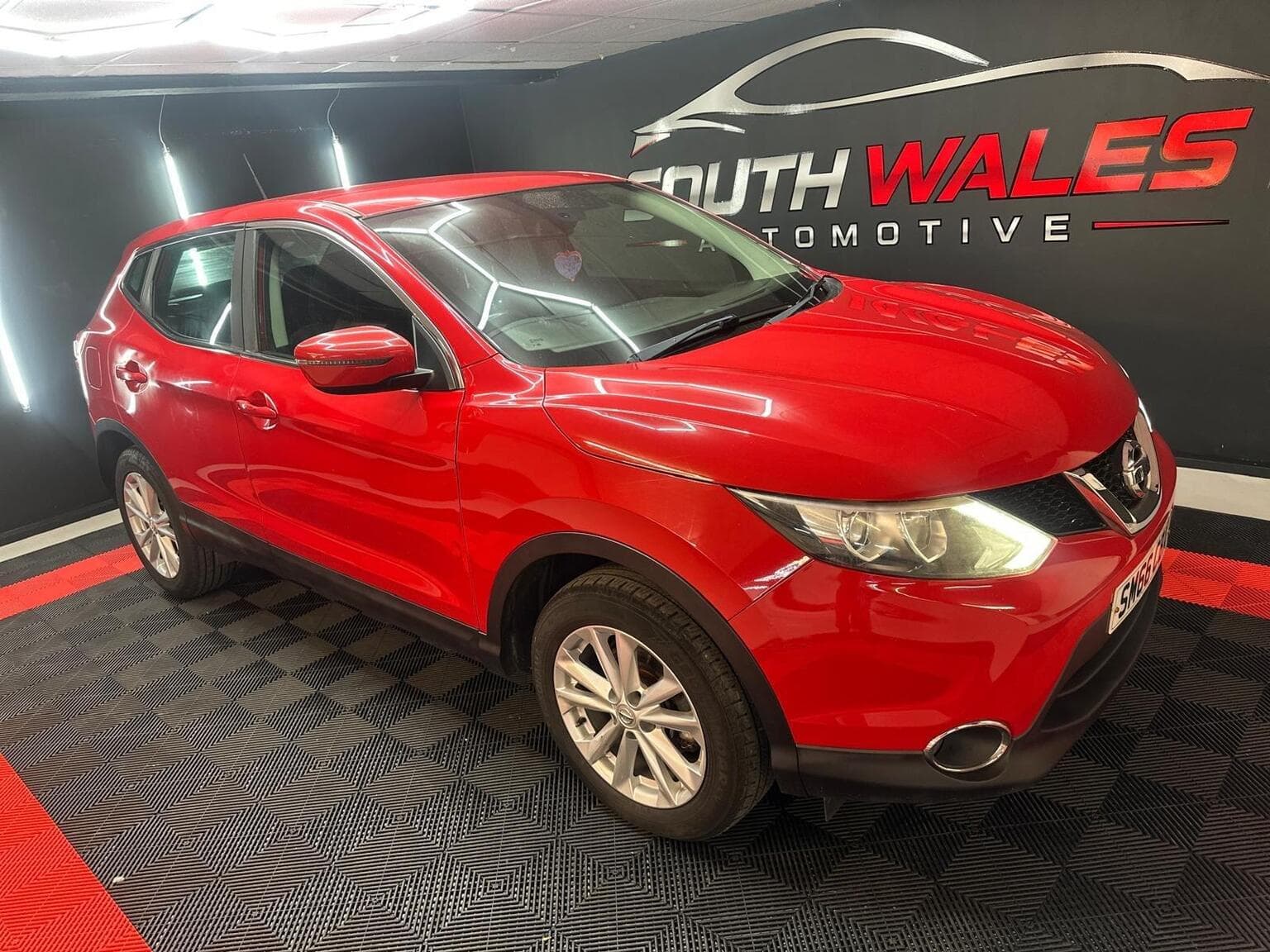
1.5 dCi Acenta 2WD Euro 6 (s/s) 5dr
£3,995
or £102.16/mo
Buying a car
An advisory is not a fault. Here is what each MOT category really means, and which ones should change your mind about a car.
7 min read
South Wales
Buying is much the same anywhere. Owning a car in South Wales is not — salt, hills, and a speed limit nobody signs.
6 min read
Buying a car
You do not need to know engines. You need to know where to look and what a straight answer sounds like.
9 min read